Single Tooth Replacement
A fixed, natural-looking solution for missing teeth and lasting oral health.
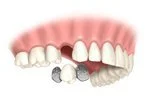
When both the tooth and root are damaged, the most reliable fixed replacement is a dental implant paired with a crown. This option restores both appearance and function, so your new tooth looks and feels just like the real thing.
A Lasting Solution for a Missing Tooth
Natural Look & Feel: Functions and blends seamlessly with your smile.
Comfortable: State of the art implant design means fewer steps, less discomfort, and shorter treatment time (typically 4-5 months).
Restored Function: Teeth are fully functional after the specified healing time.
Durable & Stable: Implants provide durability and excellent esthetic results.
Why Choose an Implant?
What to Expect
The treatment typically involves four visits to your dentist. Most patients can return to work the next day after implant placement, making this an efficient and convenient solution.
Restore Your Smile, One Tooth at a Time
A natural-looking, durable solution for replacing a single missing tooth with comfort and confidence.
Treatment
Installing the New Tooth – Step by Step
Every smile is unique. The following outlines one common approach to single tooth replacement. Your dentist will recommend the best treatment plan based on your specific needs.
Step 1: Initial Consultation & Preparation
Your dentist will perform a thorough examination and take x-rays of the area to plan your treatment.
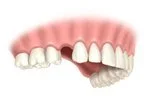
Step 2: Implant Placement
A dental implant is surgically placed in the jawbone. In many cases, a temporary tooth is provided so you can eat and smile comfortably during healing. The implant will naturally fuse with the jawbone over the next few months.
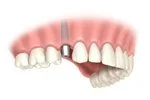
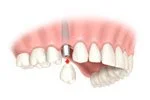
Step 3: Permanent Crown Placement
Once the implant is fully integrated, a custom crown is attached. This crown is designed to look, feel, and function just like your natural tooth.
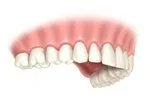
Step 4: The Final Result
Your new tooth blends seamlessly with your smile and functions like a natural one. Proper daily care and regular dental visits are key to maintaining the dental implant for years.
ALTERNATIVES TO TOOTH REPLACEMENT BY A DENTAL IMPLANT
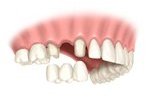
Tooth-supported fixed bridge
A traditional bridge involves cutting down adjacent teeth to support the bridge. It is a stable solution with good esthetics and function. However, this alternative has two main disadvantages: continuous bone resorption in the edentulous (missing teeth) area, and cutting of healthy teeth to support the bridge.
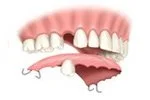
Removable partial denture
This is not a permanent alternative to a lost tooth. It is unstable and loosely attached, which affects both function and comfort. A removable partial denture is made of acrylic – a material that can't create the same esthetic result as an implant supported crown. The benefits are few but do exist: adjacent teeth aren't affected. It is and easy and quick alternative and relatively cost effective.
Resin-bonded bridge
This alternative has some clear advantages: it is quickly installed, functions well and, since it is made of ceramic, it gives a high esthetic result. Moreover, natural healthy teeth aren't affected. But it is not a permanent solution. The resin-bonded bridges do not last a long time due to the mechanics by which they are made.